
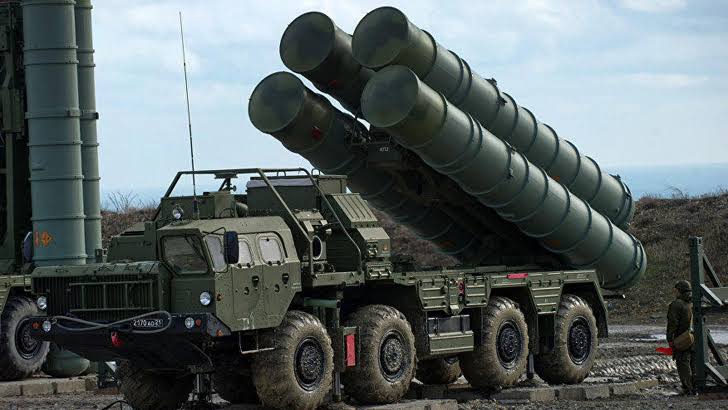
The S-400 Triumf, developed by Russia, stands as one of the most advanced and powerful air defense systems in the world. Designed by Almaz-Antey, this system can detect, track, and destroy a variety of aerial threats including aircraft, drones, ballistic missiles, and cruise missiles. Its reputation as a game-changer in modern warfare has led several nations, including India, to invest heavily in it.Cost of the S-400The cost of an S-400 unit depends on several factors, including the number of batteries ordered, the types of radar systems and missiles included, technology transfer agreements, and the political relationship between Russia and the purchasing country. Typically, one full S-400 battery is estimated to cost between $500 million and $1 billion.India signed a deal in October 2018 to purchase five S-400 systems for a total of approximately $5.43 billion USD, which breaks down to about $1.08 billion per unit. This made it one of the largest defense procurements in Indian history.Capabilities of the S-400The S-400 system is known for its incredible range and precision:Maximum engagement range: Up to 400 kilometers.Detection range: Up to 600 kilometers.Missile compatibility: It can fire different types of missiles depending on range – including 40 km, 120 km, 250 km, and 400 km variants.Target capacity: Can track over 300 targets simultaneously and engage 36 at the same time.This makes the S-400 an effective shield against a range of aerial threats, whether during wartime or peacetime surveillance operations.India’s Losses and DelaysDespite the purchase, India has faced some setbacks regarding the S-400 deployment. Due to international sanctions, particularly those from the U.S. under CAATSA (Countering America’s Adversaries Through Sanctions Act), and the ongoing Russia-Ukraine conflict, there have been significant delays in deliveries.By mid-2024, India had received only three of the five ordered systems. This delay has created logistical challenges and raised concerns about the full implementation of the system within the original timeline.From a financial standpoint, the delay doesn’t necessarily imply a direct monetary “loss” for India, as payments are scheduled in stages. However, the strategic delay weakens the immediate defensive advantage that India aimed to achieve—especially given rising tensions with neighboring countries.