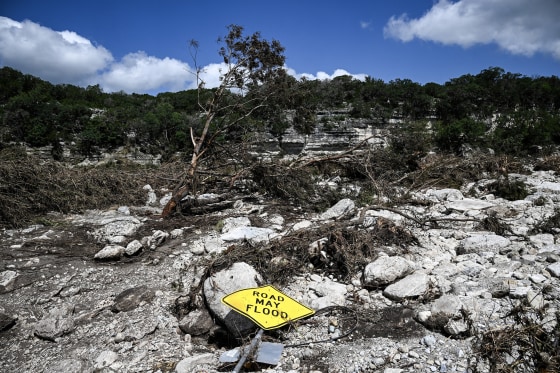
In the wake of devastating floods that swept across large parts of Texas, serious concerns are now being raised about the Federal Emergency Management Agency’s (FEMA) preparedness and long-term capabilities. The natural disaster, which displaced thousands and caused extensive property damage, has once again put FEMA under the national spotlight.
Local officials and affected residents have criticized delays in response times and inadequate coordination in relief efforts. Many are questioning whether the agency is equipped to handle the growing frequency and intensity of extreme weather events, which scientists attribute to climate change.
“We need faster action, better communication, and stronger planning from FEMA,” said a Houston resident whose home was submerged during the flood.
Experts say that with climate disasters becoming more common, FEMA must adapt its strategies and increase funding to remain effective. Lawmakers are now debating FEMA’s future direction, including potential reforms, updated disaster-response protocols, and better integration with state and local governments.
As communities across Texas begin the long road to recovery, the nation is left wondering: Is FEMA ready for the next big disaster?