
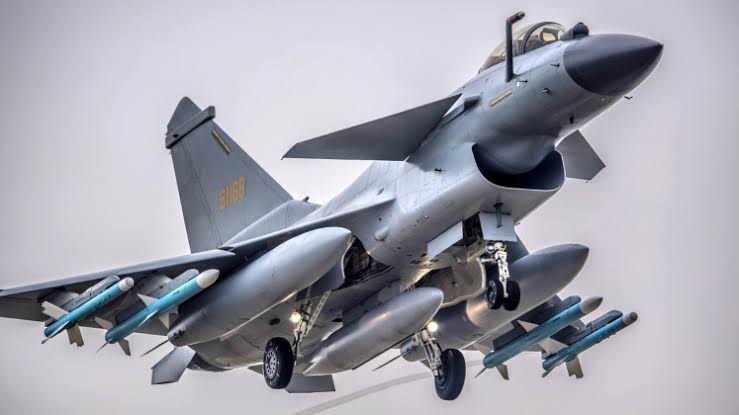
In a span of just 87 hours and 25 minutes, India and Pakistan—two nuclear-armed neighbors—engaged in a high-intensity, multi-dimensional conflict that shook the region and echoed globally. The confrontation began at 1:05 AM on May 7, when the Indian Air Force launched a surprise aerial assault under the codename ‘Operation Sindoor’.India deployed Rafale fighter jets equipped with Storm Shadow missiles and Hammer bombs, targeting nine civilian zones deep inside Pakistani territory. Simultaneously, Indian drones were used to assess and challenge Pakistan’s air defense systems.Pakistan, however, quickly mounted a strong defense. Utilizing J-10C fighter jets and Koral electronic jammers, they claimed to have shot down three Rafale aircraft and neutralized 12 Indian drones using a combination of anti-aircraft guns, short-range missiles, and electronic warfare.Economic Shockwaves: The Real BattlefieldWhile the conflict played out in the skies, the biggest damage came on the economic front—especially for India. The short war triggered a massive financial toll:$83 billion in total economic losses for IndiaNearly $82 billion wiped from Indian stock markets (Nifty & Sensex)$8 million per day loss due to northern airspace closure$50 million loss from IPL suspensionAdditional $100 million in military spending$400 million in aircraft lossesOver $2 billion in logistical and trade disruptionsOn the other side, Pakistan incurred $4 billion in losses, including:$2.5 billion in stock market value decline (Karachi Stock Exchange)$10 million from Pakistan Super League (PSL) suspension$20 million loss due to airspace closure$25 million per day in military operations$300 million spent on drones and missile deploymentRedefining War in the 21st CenturyThis brief yet intense conflict redefined what war means in modern times. It’s no longer just about bombs and fighter jets. Today, warfare involves stock market crashes, investor panic, foreign investment paralysis, and civilian economic hardship.With losses exceeding $1 billion per hour, this war demonstrated how even a short conflict can have long-lasting effects on national economies and public confidence.Key Insight: Resistance is the New StrategyMilitary experts agree that modern war is shaped more by economics, technology, and psychological readiness than brute military force. The central takeaway from this 87-hour war is clear: in the modern era, resilient defense strategies, not just offensive power, will determine the outcome of conflicts.